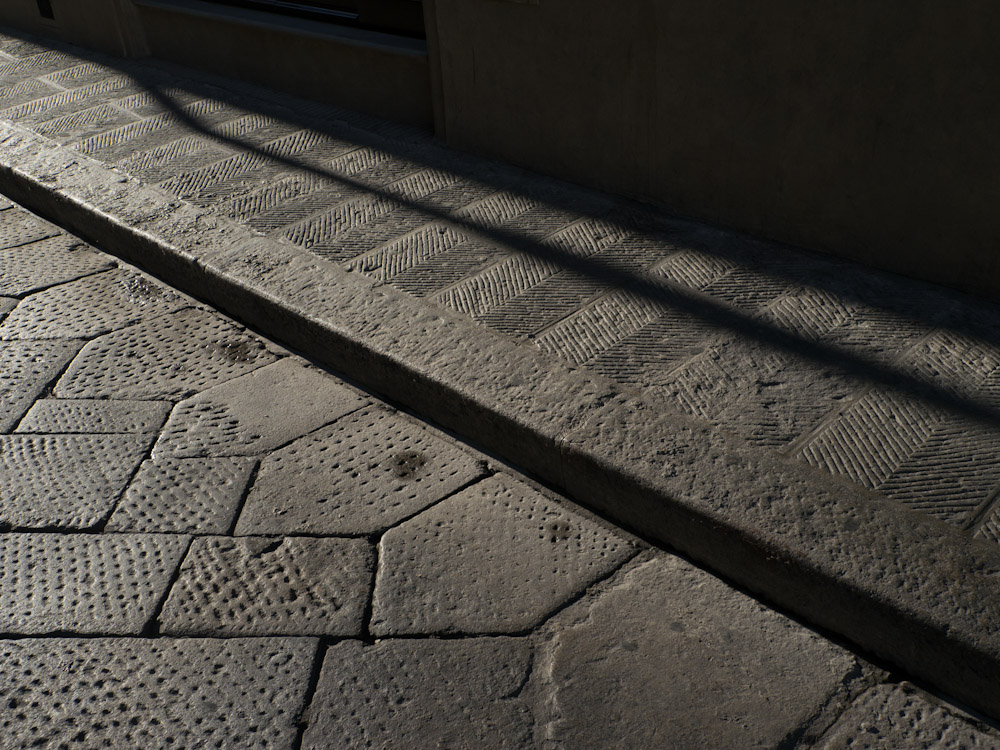
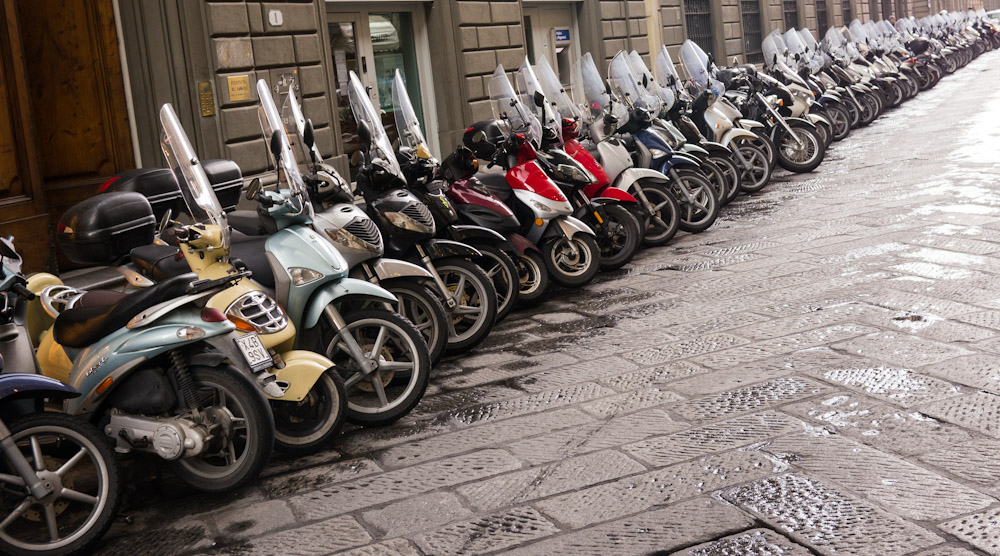
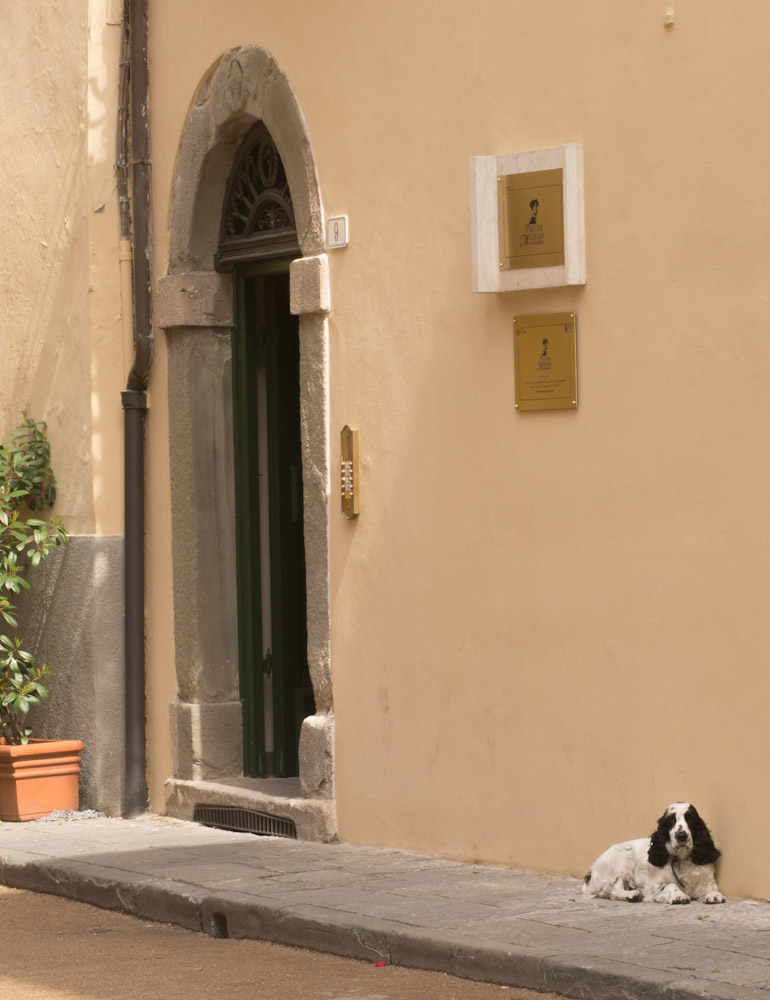
Film Noir?
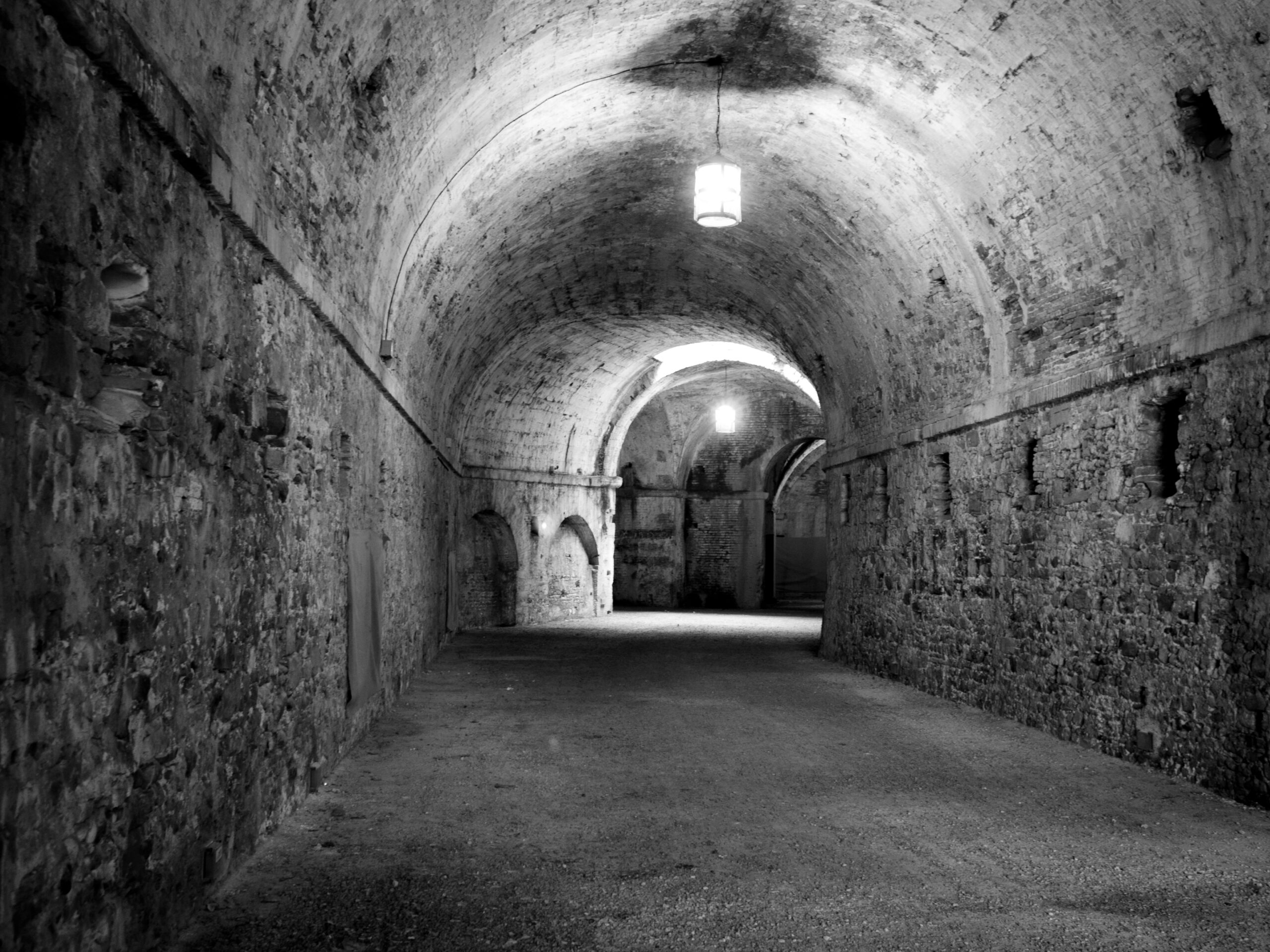
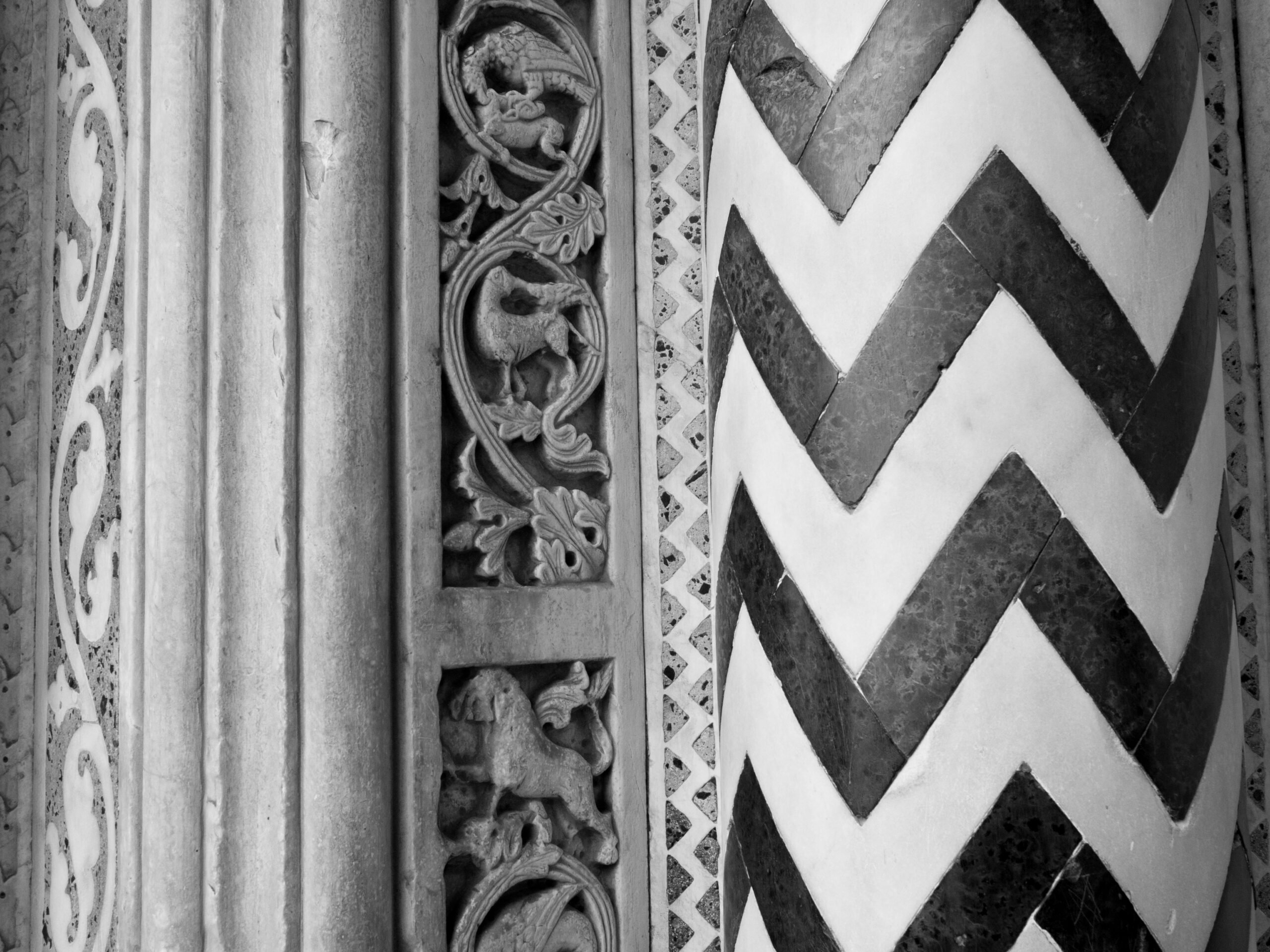
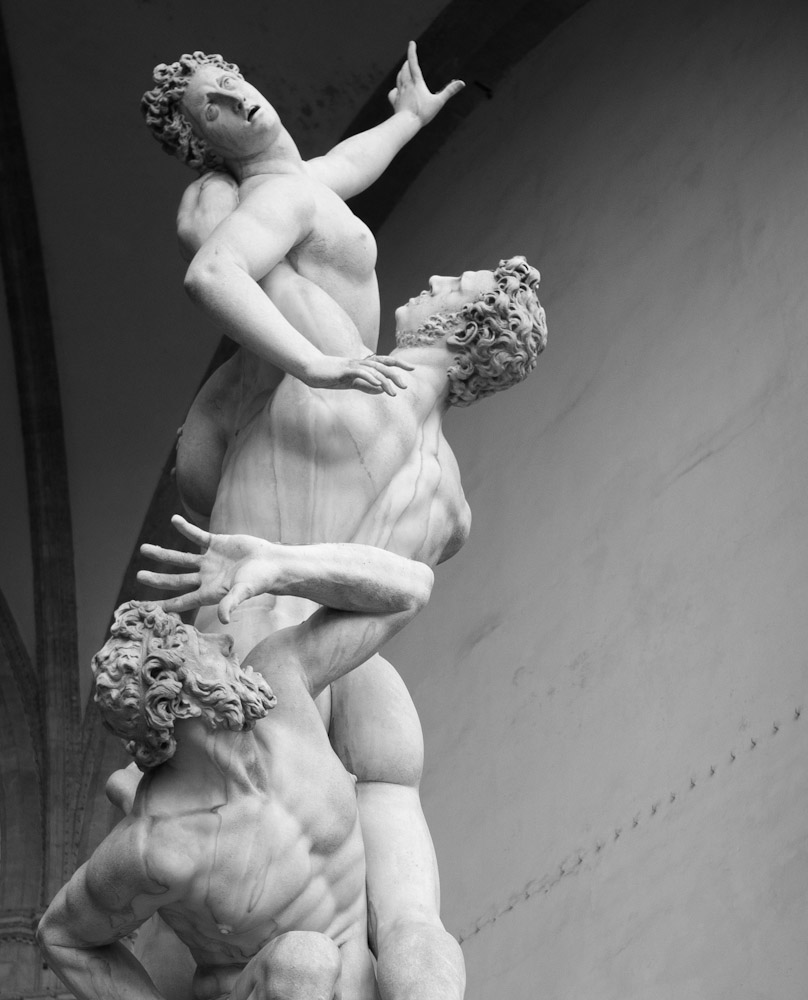
It's strange, but not many of my photos end up in black and white.
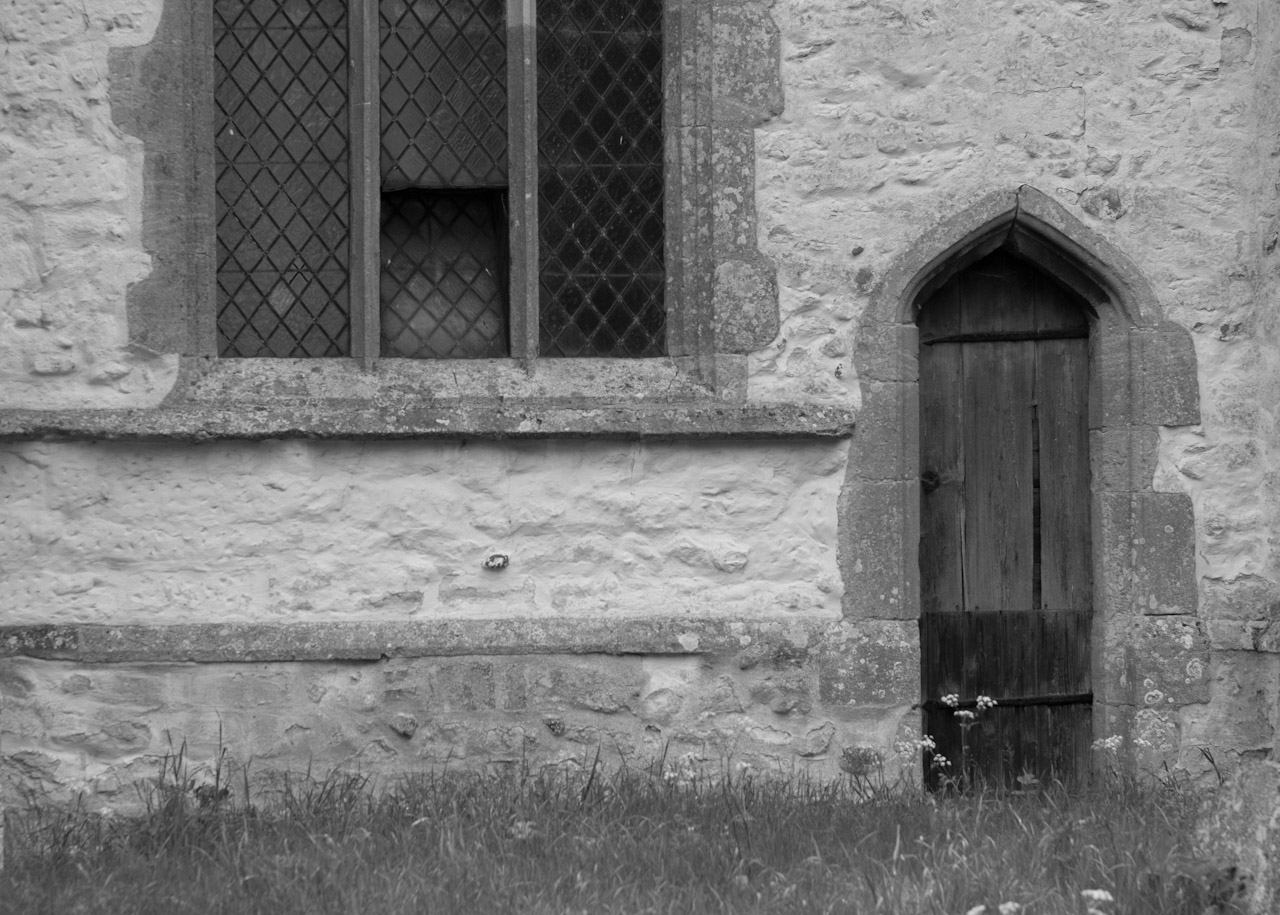
I'm not sure why - I do really like monochrome images, and it's an instant way to make almost any shot look more 'arty'. Maybe that's the problem: somehow it feels as if I'm hiding something - not capturing the beauty inherent in the world sufficiently well in colour, so I have to do something artificial - turn on the 'arty' switch to make it a bit more pretentious...
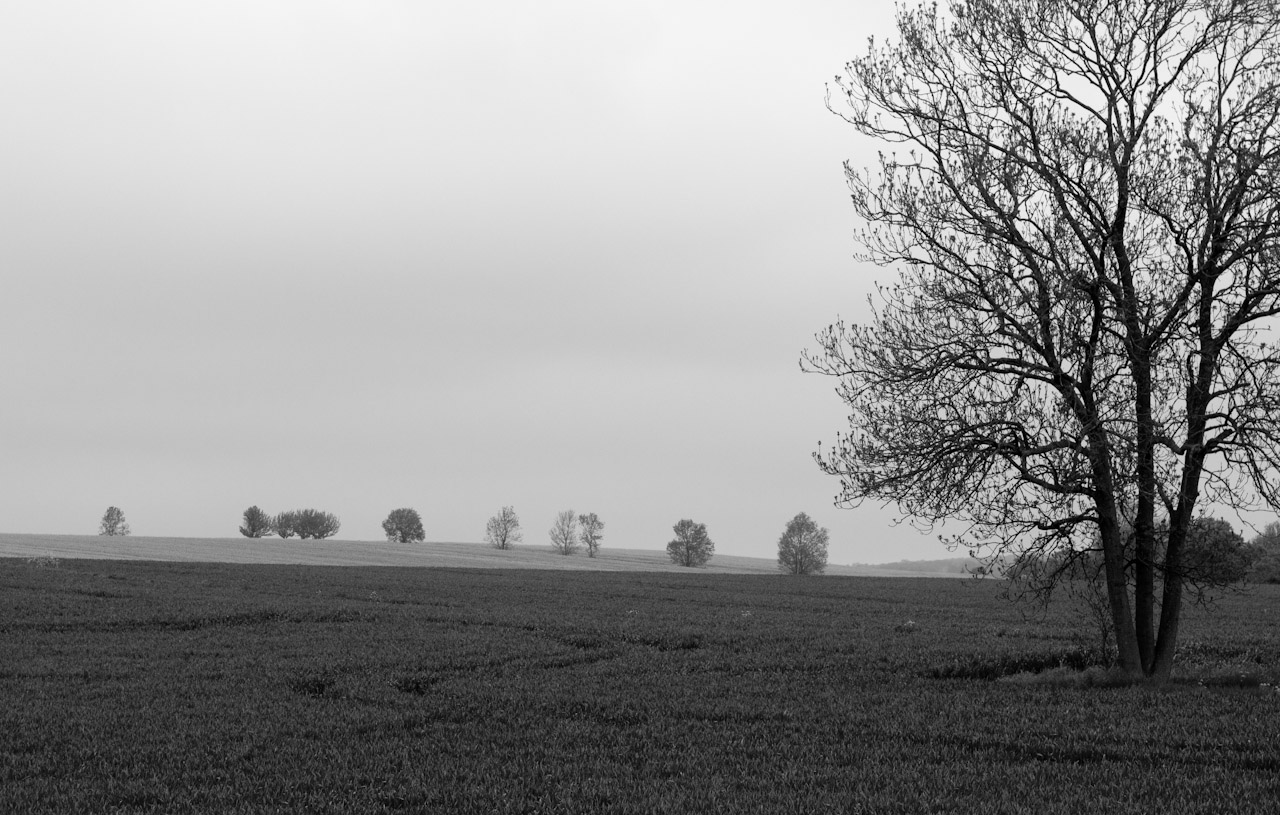
This is, of course, rubbish. Our eyes are more sensitive, in most ways, to brightness than they are to colour, and you could argue, therefore, that you are capturing the essence of a scene with fewer distractions if you do so in monochrome. It doesn't bother me that I'm only capturing it in 2D. Why should I hesitate when it comes to discarding another dimension? Perhaps it's really that I'm not very good at it! I wonder, though... If Ansel Adams and Henri Cartier-Bresson could have worked in accurate colour from the start, would they have done so? And would there then be such a strong tradition of black and white in art photography?
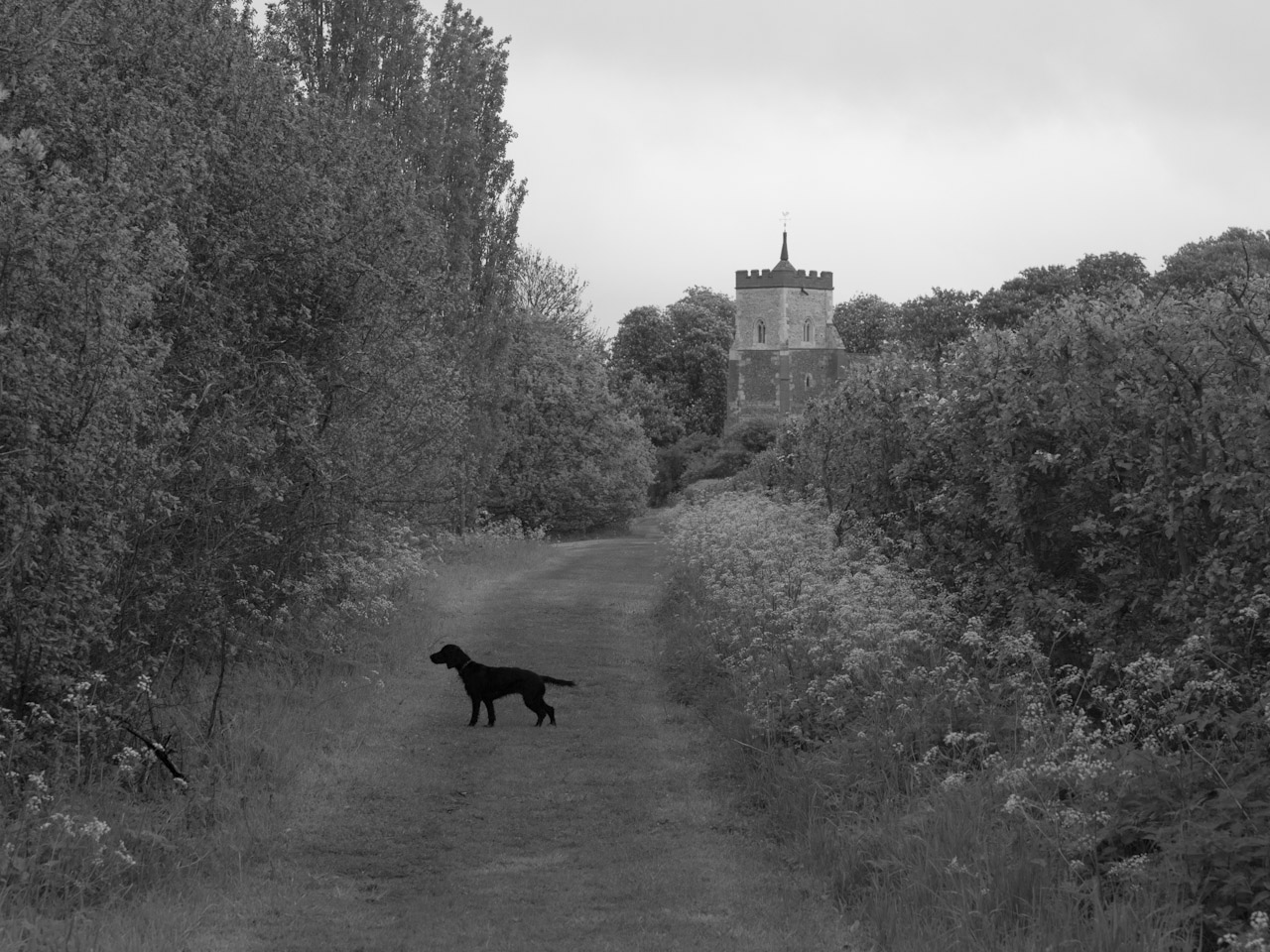
Now, from very early on, digital cameras have had various 'modes' into which you can switch them to get different effects. Serious photographers avoid these, preferring to capture as pure an image as possible and do any manipulation later 'in post', where you have a great deal more choice and control than you do on the camera. In particular, the option to take pictures in a 'black and white' mode seemed very silly to me from the moment it appeared on my very first digital camera. Why throw away data as soon as you take the photo, and deny yourself the chance of changing your mind and using colour?
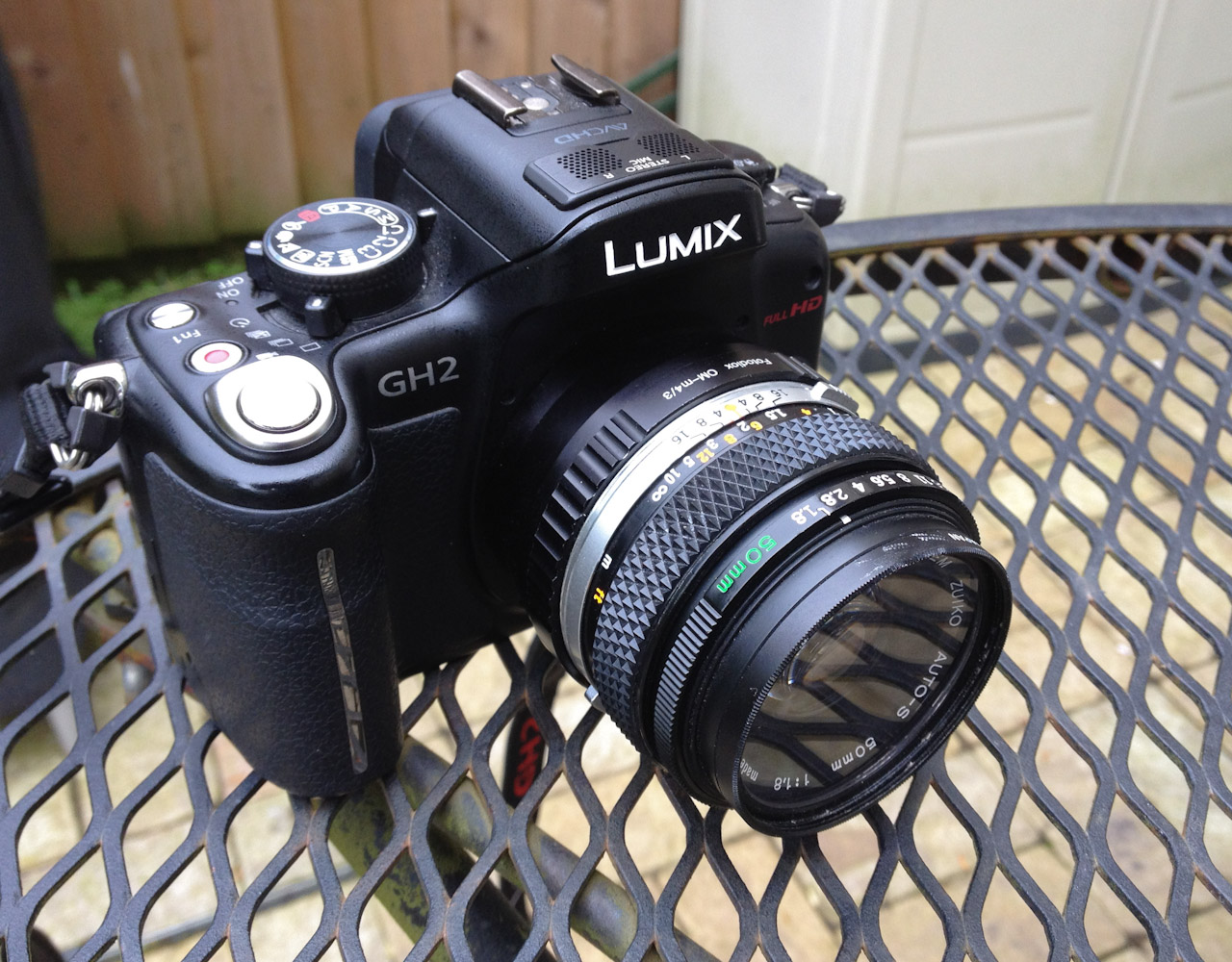 My main current camera is a Lumix GH2, and I've been enjoying combining this bit of high-tech kit, via an adaptor, with the old 50mm Olympus Zuiko lens I had as a teenager. (It's a nice side-benefit of the micro-four-thirds format that you can find adaptors for all sorts of lenses.) Anyway, this retro, all-manual operation set me thinking about such things again today, and I realised that something fundamental had changed since my first rejection of such frivolities as black-and-white mode...
I now shoot everything in RAW.
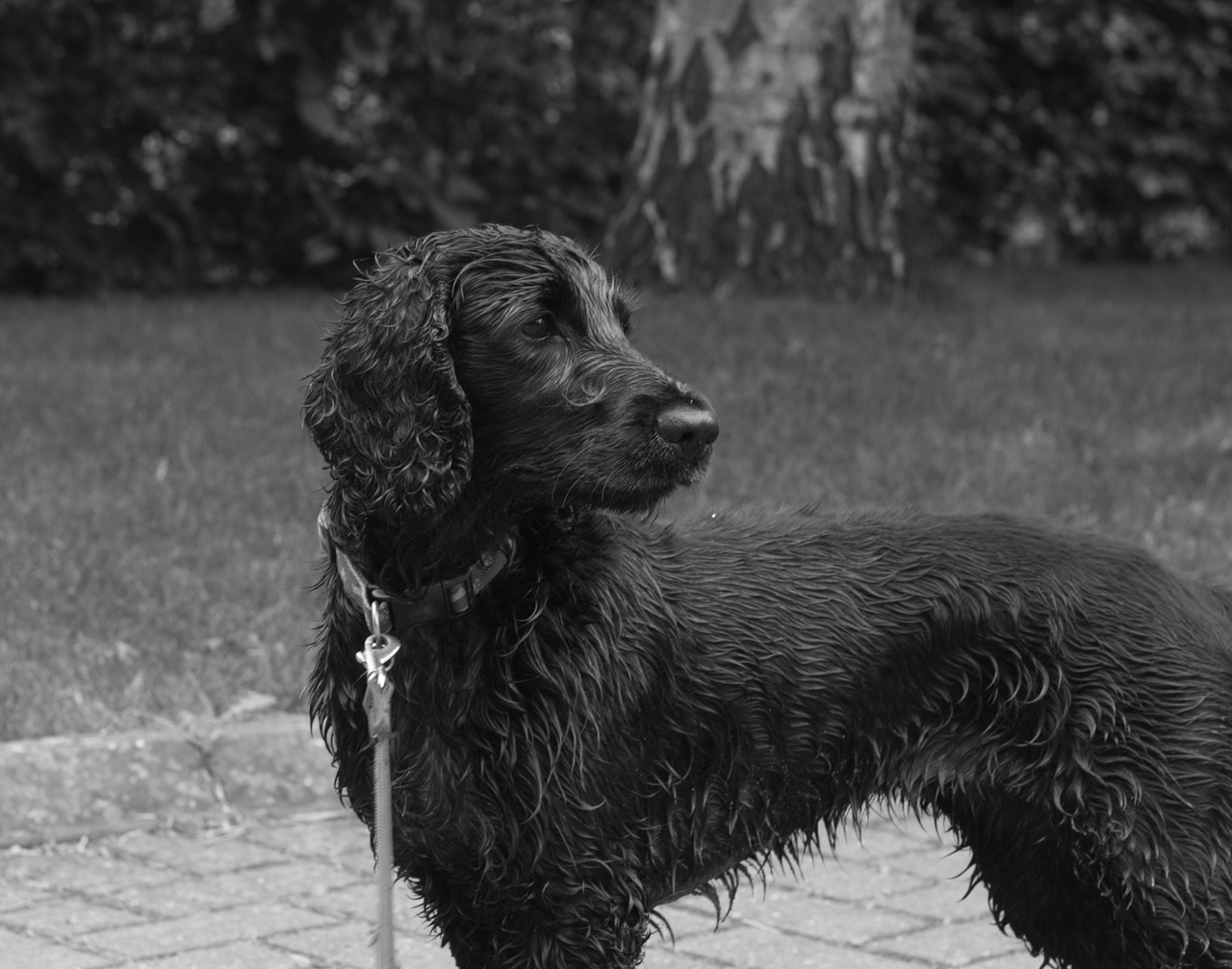
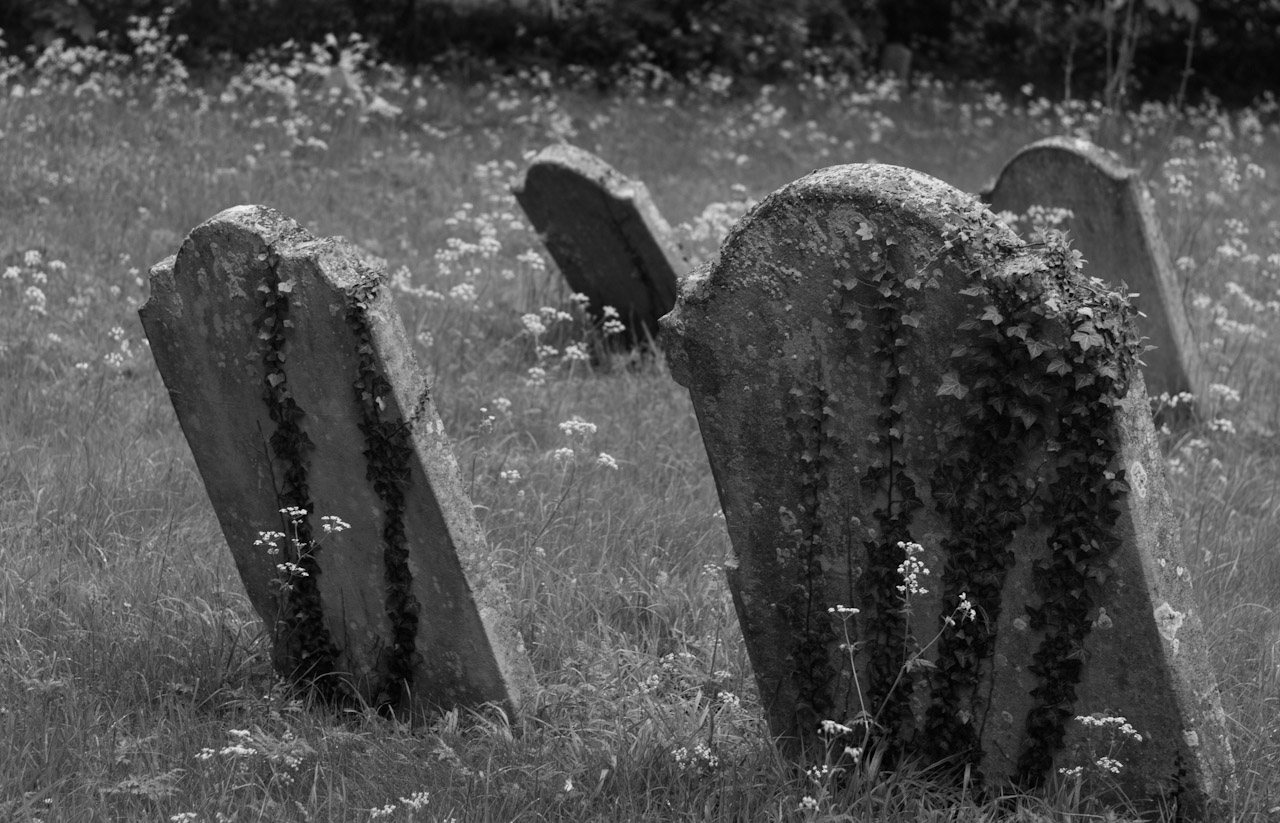
What this means is that all the data actually captured by the sensor is saved, regardless of any manipulations the camera may have been told to make at the time. So, I tried switching on the black and white mode for the first time, and found it quite an interesting experience, because the LCD viewfinder then shows you, as you're composing the shot, roughly what your image would look like if you chose to keep it in black and white. This makes you look at the scene in a different way, think more about contrast than colour, without committing you to B&W as the final output. (Unlike the new Leica Monocchrome: for a little over £6000 you can get a camera that only shoots black and white.) It was a grey, overcast day today, so not very exciting lighting conditions, but I may experiment more with this in future.
It is also, I think, quite fun that only digital cameras can do this: only now can you get a preview, as you're shooting, of the results you would have had to get before there was even colour film!